Mandala Graphic Design: A Versatile Tool for Art, Culture, and Creativity
Mandala Graphic Design has become a popular choice among artists, designers, and creators who seek to blend traditional symbolism with modern visual appeal. This intricate design style, rooted in ancient spiritual traditions, offers a wide range of applications from digital illustrations to decorative art. Whether you're an artist looking for inspiration or a business owner seeking unique branding elements, understanding the nuances of Mandala Graphic Design can open new creative possibilities.
The Essence of Mandala Graphic Design
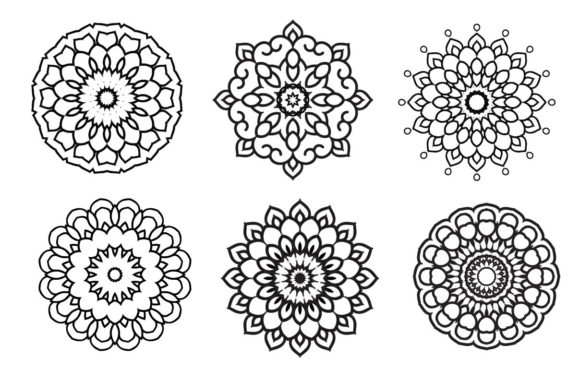
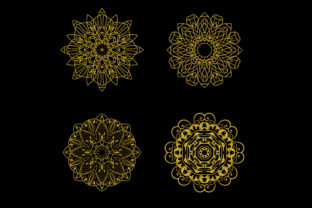
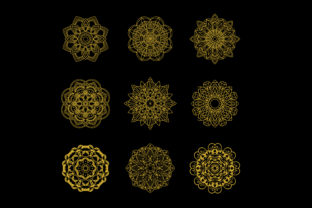
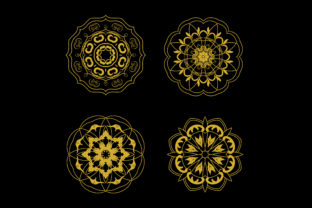
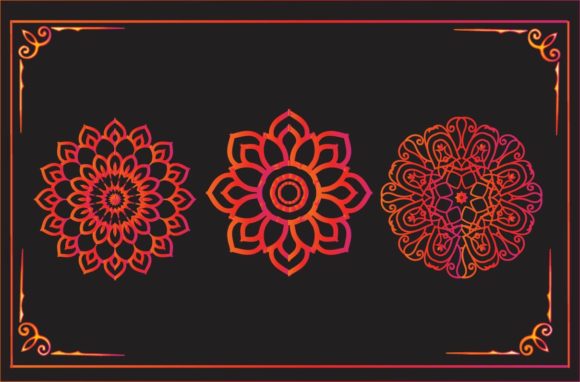
At its core, Mandala Graphic Design is about symmetry, repetition, and balance. The term "mandala" originates from Sanskrit and means "circle," representing the universe in many Eastern philosophies. These designs often feature concentric patterns, geometric shapes, and floral motifs arranged in a circular format. The result is a visually striking image that evokes calmness, focus, and harmony.
When working with Mandala Graphic Design, it's important to consider the underlying principles that make these designs so compelling. Artists often use mandalas to explore themes such as spirituality, nature, and transformation. This makes them not only beautiful but also deeply meaningful.
Key Characteristics of Mandala Graphic Design
- Symmetry: Mandalas are typically symmetrical, creating a sense of order and balance.
- Repetition: Patterns repeat in a structured way, which enhances visual interest and depth.
- Color: Vibrant colors are commonly used to evoke emotions and convey specific meanings.
- Symbolism: Many mandalas incorporate symbols from various cultures, making them rich in meaning.
These characteristics make Mandala Graphic Design ideal for a variety of purposes, from personal art projects to commercial branding.
Applications of Mandala Graphic Design
Mandala Graphic Design finds its way into numerous fields, including art, illustration, tattoo design, and even digital media. Here are some common uses:
- Art and Illustration: Artists use mandalas to create intricate paintings, drawings, and digital illustrations that capture attention and spark imagination.
- Tattoo Design: Due to their symbolic and aesthetic qualities, mandalas are a popular choice for tattoos. They can represent personal journeys, cultural heritage, or spiritual beliefs.
- Henna and Mehndi: In South Asian culture, henna art often features mandala-like patterns. These designs are used during weddings and other special occasions.
- Decorative Ornament: Mandala-inspired decorations are widely used in home decor, fashion, and event planning. They add an ethnic and oriental touch to any space.
- Coloring Books: Mandala coloring pages have gained immense popularity, especially among those seeking relaxation and mindfulness through art.
With such diverse applications, it's clear that Mandala Graphic Design holds a unique place in both traditional and contemporary contexts.
Who Benefits from Mandala Graphic Design?
While anyone with an appreciation for art may find value in Mandala Graphic Design, certain groups benefit more than others:
- Artists and Illustrators: Those looking to expand their portfolio or experiment with new styles will find mandalas to be a great source of inspiration.
- Tattoo Artists: Tattoo professionals can use mandala designs to offer clients unique and meaningful body art options.
- Cultural Practitioners: Individuals involved in Henna or Mehndi art can incorporate mandala elements into their work for added visual appeal.
- Business Owners: Entrepreneurs can use mandala designs for branding, packaging, or promotional materials to stand out in a competitive market.
- Online Creators: Content creators and influencers can use mandala graphics in social media posts, blogs, or videos to enhance visual storytelling.
This versatility ensures that Mandala Graphic Design remains relevant across different industries and audiences.
Strengths and Considerations of Mandala Graphic Design
One of the main strengths of Mandala Graphic Design is its adaptability. It can be scaled, modified, and combined with other design elements to suit various needs. Additionally, mandalas are highly customizable, allowing artists to tailor them to individual preferences or cultural contexts.
However, there are also considerations to keep in mind when using Mandala Graphic Design:
- Cultural Sensitivity: Since mandalas have deep roots in various cultures, it's important to approach them with respect and understanding.
- Complexity: While mandalas can be beautiful, they can also be complex to design. Beginners may need time to master the techniques involved.
- File Formats: When working with Mandala Graphic Design, it's essential to choose the right file formats, such as AI, EPS, JPG, SVG, or PNG, depending on the intended use.
By being aware of these factors, creators can ensure that their mandala designs are both impactful and respectful.
Evaluating Mandala Graphic Design for Your Needs
If you're considering using Mandala Graphic Design for a project, here are a few questions to ask yourself:
- What is the purpose of the design? Is it for personal use, commercial application, or something else?
- Who is the target audience? Will they appreciate the symbolism and aesthetics of mandalas?
- What file formats do I need? Do I require vector files for scalability or raster images for print?
- How much detail is needed? Some mandalas are simple, while others are highly detailed and intricate.
Answering these questions can help you determine whether Mandala Graphic Design is the right choice for your specific needs.
Real-World Examples and Scenarios
To better understand how Mandala Graphic Design can be applied in practice, let's look at a few real-world examples:
Example 1: Tattoo Studio
A tattoo studio specializing in body art might offer mandala-based designs to clients interested in spiritual or cultural symbolism. The studio could provide templates in AI or EPS format for customization and precision.
Example 2: Home Decor Business
A company selling home decor items might use mandala-inspired patterns on cushions, wall art, or textiles. Using SVG files allows for easy integration into digital platforms and scalable printing.
Example 3: Online Coloring Book Creator
An independent artist creating a digital coloring book might use mandala designs as page templates. High-resolution PNG or JPG files would be suitable for this purpose, ensuring clarity and vibrancy.
These examples illustrate how Mandala Graphic Design can be tailored to fit a wide range of creative endeavors.
Conclusion: Embracing the Beauty of Mandala Graphic Design
Mandala Graphic Design is more than just a visual style—it's a form of expression that connects people to tradition, culture, and creativity. Whether you're an artist, designer, or simply someone who appreciates beauty in design, mandalas offer endless opportunities for exploration and innovation.
By understanding the principles, applications, and considerations of Mandala Graphic Design, you can make informed decisions about how to incorporate this timeless art form into your own creative journey. From tattoos to home decor, mandalas continue to inspire and captivate people around the world.