Natural Leaves Line Art Collection: A Versatile Resource for Creative and Professional Projects
Understanding the Essence of Line Art in Design
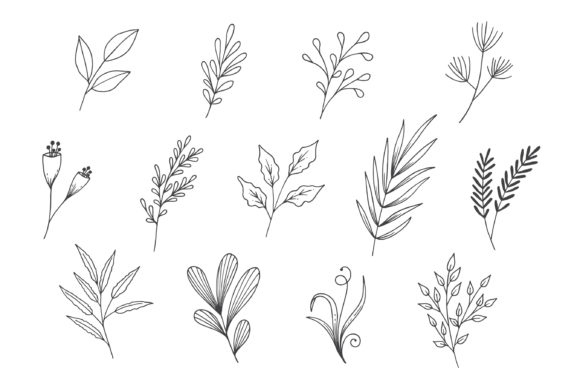
The Natural Leaves Line Art Collection is a remarkable set of illustrations that captures the delicate beauty of leaves through simple, elegant line work. This collection consists of 13 SVG files, 13 PNGs, one high-resolution PNG with all files included, along with an AI file, EPS file, PSD file, and JPEG. These assets are ideal for designers, illustrators, educators, and hobbyists who seek to incorporate organic elements into their projects without the complexity of color.
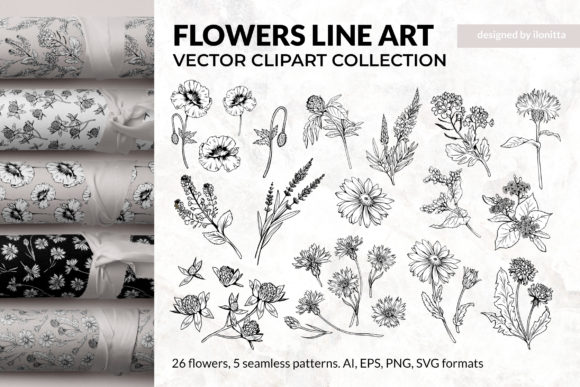
Line art has long been used as a foundational element in graphic design, offering clarity and simplicity. The black and white decorative floral sketches on a white background within this collection exemplify how minimalistic designs can convey intricate details. Whether you're creating educational materials, branding assets, or digital art, these illustrations provide a clean and adaptable base.
Exploring the Characteristics of the Natural Leaves Line Art Collection
The Natural Leaves Line Art Collection stands out due to its versatility and high-quality vector formats. The use of line style ensures that the illustrations remain crisp and scalable, making them suitable for both print and digital media. Each leaf illustration is carefully crafted to reflect natural variations, from the subtle curves of a fern to the bold structure of a maple leaf.
With 13 unique SVG and PNG files, users have access to a wide range of options. The inclusion of multiple file types such as AI, EPS, and PSD allows for seamless integration into various design workflows. For instance, Adobe Illustrator users can easily edit the AI files to customize the illustrations further, while Photoshop users can take advantage of the PSD format to add layers or effects.
Practical Applications Across Industries
The applications of the Natural Leaves Line Art Collection span across multiple industries. Educators can use these illustrations to create engaging visual aids for biology classes, helping students understand plant structures in a more interactive way. Similarly, business owners might incorporate these designs into marketing materials, such as eco-friendly packaging or website banners, to evoke a sense of nature and sustainability.
For creators and hobbyists, the collection serves as an excellent resource for personal projects. Artists can use the line art as a basis for more detailed drawings or paintings, while crafters might integrate the images into handmade greeting cards or scrapbook layouts. The black and white aesthetic also makes it easy to reproduce in different color schemes or to pair with other design elements.
Advantages of Using Vector-Based Line Art
One of the key advantages of using vector-based line art like the Natural Leaves Line Art Collection is its scalability. Unlike raster images, which can lose quality when resized, vector graphics maintain sharpness at any size. This feature is particularly useful for professionals who need to use the illustrations in various contexts, from small icons to large posters.
Additionally, the availability of multiple file formats enhances usability. The AI and EPS files are perfect for professional-grade editing, while the PNG and JPEG formats are ideal for web use. The PSD format opens up even more possibilities by allowing users to work with layers, textures, and other Photoshop features.
Considerations for Choosing and Using Line Art
While the Natural Leaves Line Art Collection offers a wealth of creative opportunities, there are some considerations to keep in mind. First, understanding the licensing terms is crucial to ensure that the artwork is used appropriately. Users should verify whether the collection allows for commercial use or if it's intended solely for personal projects.
Another consideration is the context in which the line art will be used. While the black and white sketches are versatile, they may not be suitable for every design scenario. It’s important to assess how well the illustrations complement the overall theme or message of the project. In some cases, adding subtle color or texture might enhance the visual impact.
Real-World Examples of Line Art Integration
Many professionals have successfully integrated line art into their work. For example, a graphic designer working on a wellness brand might use the Natural Leaves Line Art Collection to create a logo that conveys growth and harmony. Similarly, a book illustrator could use these illustrations to add depth and interest to children’s stories about nature.
In the world of digital publishing, these line art pieces can be used as chapter dividers or page borders, providing a cohesive visual theme throughout the content. The clean lines and organic shapes make them particularly effective in minimalist or eco-conscious design styles.
Trends in Line Art Usage and Future Relevance
As design trends continue to evolve, the demand for line art remains strong. There is a growing appreciation for minimalist aesthetics, and line art plays a significant role in this movement. The Natural Leaves Line Art Collection aligns perfectly with this trend, offering a timeless and adaptable resource for designers.
Moreover, with the increasing focus on sustainability in both design and consumer products, line art that reflects natural themes is becoming more relevant. Brands are seeking ways to connect with their audiences through meaningful visuals, and the use of organic elements like leaves can help achieve this goal.
Conclusion
The Natural Leaves Line Art Collection represents a valuable asset for anyone looking to incorporate natural elements into their creative work. With its diverse range of file formats, scalable vector graphics, and elegant black and white illustrations, this collection offers endless possibilities for professionals, educators, and hobbyists alike. By understanding the characteristics, advantages, and practical applications of these line art illustrations, users can unlock new levels of creativity and effectiveness in their projects.