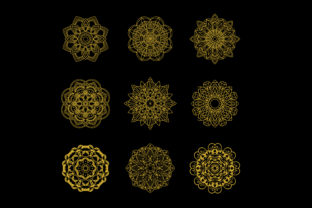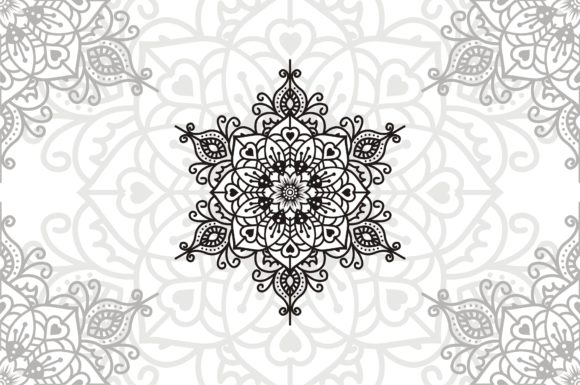
Flower Mandala: A Timeless Decorative Element for Modern Creativity
Flower Mandala is more than just a design—it's a fusion of art and symbolism that has been cherished across cultures for centuries. Combining the intricate patterns of mandalas with the natural beauty of flowers, this decorative element brings a sense of harmony, balance, and elegance to any project. Whether you're an artist looking for inspiration or a business owner searching for unique branding materials, Flower Mandala offers a versatile solution that blends tradition with modern aesthetics.
What Is Flower Mandala?
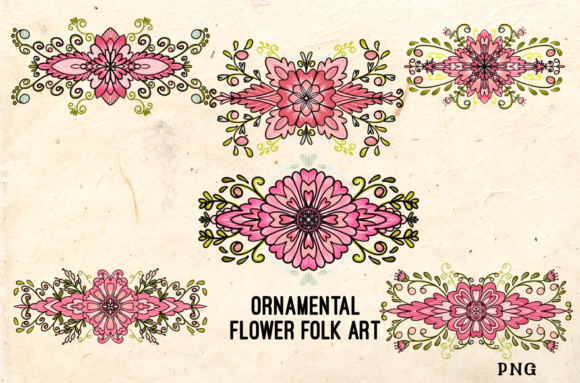
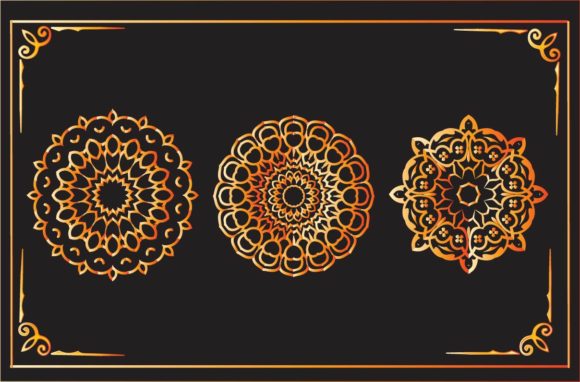
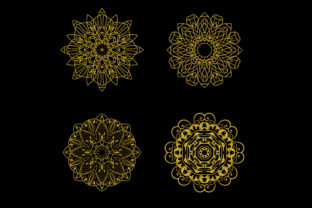
A Flower Mandala is a circular design that features floral motifs arranged in symmetrical patterns. These designs often draw from Eastern traditions, particularly those found in Buddhist and Hindu art, where mandalas are used as meditative tools. When combined with flowers, they create a visual representation of nature’s beauty and spiritual significance.
Modern versions of Flower Mandala are often created using vector illustrations, making them scalable and adaptable for various uses. The vintage decorative elements add a touch of nostalgia while maintaining a timeless appeal. This makes it an excellent choice for anyone looking to incorporate both traditional and contemporary styles into their work.
Where and When to Use Flower Mandala
Flower Mandala can be used in a wide range of scenarios. From personal projects like scrapbooking and greeting cards to professional applications such as branding and packaging design, its versatility is unmatched. It’s especially popular during seasonal events like weddings, birthdays, and holidays, where its aesthetic appeal enhances the overall theme.
In digital spaces, Flower Mandala can be integrated into websites, social media content, and mobile apps. Its intricate details make it ideal for backgrounds, headers, and icons. For print media, it works well on posters, book covers, and magazine layouts. In educational settings, it can serve as a teaching tool for students exploring art, design, and cultural studies.
Real-World Use Cases
- Graphic Designers: Incorporate Flower Mandala into logos, packaging, and promotional materials to create a unique visual identity.
- Entrepreneurs: Use it to design branded merchandise, such as T-shirts, mugs, and notebooks, that stand out in a crowded market.
- Marketers: Leverage its visual appeal in marketing campaigns, especially for eco-friendly or wellness-related products.
- Bloggers and Content Creators: Add Flower Mandala to blog headers, infographics, or social media posts to enhance engagement and visual storytelling.
- Artists and Hobbyists: Create personalized artwork, wall decor, or embroidery patterns that reflect both creativity and cultural appreciation.
Why Choose Flower Mandala?
The combination of oriental patterns and vintage elements gives Flower Mandala a distinctive look that sets it apart from other design trends. It’s not just about aesthetics; it also carries symbolic meaning. Flowers represent growth, renewal, and beauty, while mandalas symbolize unity and wholeness. Together, they create a powerful visual narrative that resonates with people on a deeper level.
Another key advantage is the availability of high-quality files. The ZIP file containing an EPS and PDF version ensures that users can use the design in both digital and print formats without losing quality. This makes it easy to integrate into different platforms and mediums, from online banners to physical prints.
Considerations Before Using Flower Mandala
While Flower Mandala is incredibly versatile, there are a few factors to consider before incorporating it into your project. First, think about the context and audience. Will the design appeal to the target demographic? Does it align with the brand’s identity or the message being conveyed?
Second, ensure that the design is used appropriately. While the vintage and oriental elements add charm, overuse can lead to clutter. Balance is key—use it as an accent rather than the main focus unless the intention is to highlight its intricate details.
Lastly, always check licensing terms if you’re using the design for commercial purposes. Make sure you have the right to reproduce and modify the artwork as needed.
How to Get Started with Flower Mandala
If you're ready to explore the world of Flower Mandala, downloading the ZIP file with EPS and PDF formats is a great first step. These vector files allow for easy customization, enabling you to adjust colors, sizes, and layouts according to your needs. Whether you're using Adobe Illustrator, Photoshop, or even free design software like Canva, the flexibility of vector graphics ensures that your design will look sharp and professional.
For beginners, start by experimenting with simple applications, such as adding a Flower Mandala background to a social media post or using it as a watermark for your digital creations. As you become more comfortable, try integrating it into larger projects like website headers, product packaging, or even home decor.
Remember, the beauty of Flower Mandala lies in its adaptability. Don’t be afraid to experiment and find what works best for your unique vision. With a little creativity and attention to detail, you can transform this ancient art form into something truly modern and meaningful.