The Timeless Art of Mandala: A Gateway to Creativity and Cultural Expression
Mandala, a term rooted in Sanskrit meaning "circle," has transcended its spiritual origins to become a powerful symbol of balance, harmony, and artistic expression. Originally used in Buddhist and Hindu traditions as a tool for meditation and spiritual guidance, the mandala has evolved into a versatile design element that finds its way into modern art, illustration, tattoo design, henna patterns, and even digital decoration. Today, mandalas are not just religious symbols—they are a universal language of creativity that bridges cultures and generations.
Understanding the Mandala: More Than Just a Circle
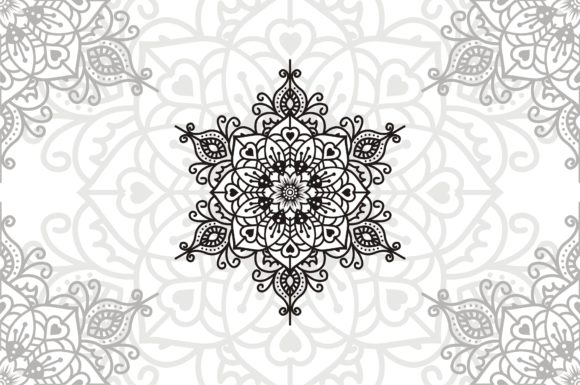
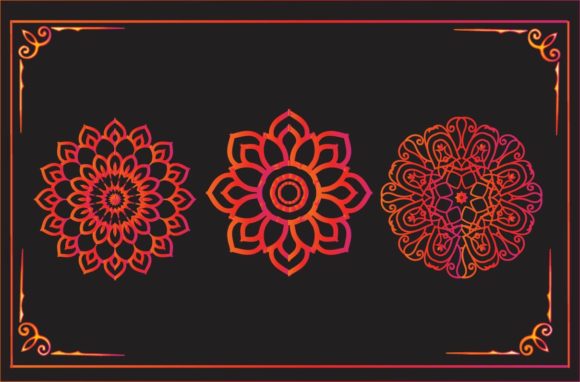
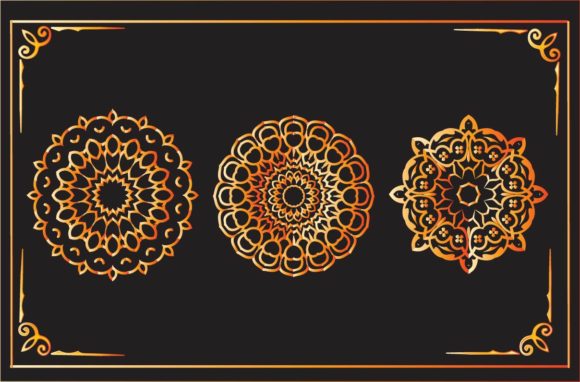
A mandala is typically a symmetrical design radiating from a central point. It can be intricate or minimalist, geometric or floral, and is often filled with symbolic elements. These designs are more than aesthetic; they carry deep cultural significance. In many Eastern traditions, mandalas are used to represent the universe, the self, or the path to enlightenment. Their repetitive, radial symmetry encourages focus and mindfulness, making them a popular choice for meditation and relaxation practices.
In contemporary times, the mandala's appeal lies in its adaptability. Artists, illustrators, and designers have embraced it as a canvas for personal expression. Whether used in tattoo art, henna (mehndi) designs, or decorative ornaments, mandalas offer endless possibilities for customization and creativity.
The Rise of Mandala Graphic Design in Modern Creativity
The digital age has transformed how we engage with art. With the rise of graphic design software and online platforms, mandalas have found new life in various forms. From coloring books to digital illustrations, mandalas now cater to a wide audience seeking both artistic fulfillment and cultural connection.
Modern mandala graphic design blends traditional motifs with contemporary aesthetics. Designers use tools like Adobe Illustrator and vector-based formats such as AI, EPS, SVG, and PNG to create scalable, high-quality mandala artwork. This allows users to incorporate mandalas into everything from logos and branding to home décor and personal accessories.
One of the most popular applications of mandala design today is in the world of tattoos. The intricate patterns and symbolic meanings make mandalas an appealing choice for those looking to express their identity through body art. Similarly, in henna and mehndi designs, mandalas are often used to adorn hands and feet during weddings and festivals, reflecting cultural heritage while offering a sense of beauty and elegance.
Why Mandala Designs Are Gaining Popularity
The growing interest in mindfulness and wellness has played a significant role in the resurgence of mandala art. People are increasingly turning to mandalas as a form of stress relief and creative therapy. Coloring mandala pages, for instance, has become a global phenomenon, offering a meditative escape from the fast-paced digital world.
Moreover, the rise of social media has amplified the visibility of mandala art. Platforms like Instagram and Pinterest have made it easier for artists to showcase their work and for enthusiasts to discover new styles and techniques. This has led to a surge in demand for high-quality mandala graphics in various file formats, including JPG, PNG, and SVG, which are widely used in digital publishing and web design.
Businesses and marketers are also recognizing the value of mandala design. Its versatility makes it ideal for branding, packaging, and promotional materials. The intricate yet balanced nature of mandalas conveys a sense of quality, tradition, and innovation—qualities that resonate well with consumers in today’s market.
Practical Applications of Mandala Graphic Design
The practical implications of mandala graphic design extend beyond aesthetics. For creators and entrepreneurs, mandalas offer a unique opportunity to connect with diverse audiences. Whether designing a mandala-based coloring book, creating custom henna patterns, or developing tattoo templates, the possibilities are vast.
For educators and therapists, mandalas serve as valuable tools for teaching and healing. They can be used in art therapy sessions to help individuals explore emotions and find inner peace. In schools, mandala coloring activities encourage creativity, focus, and fine motor skills in students.
Freelancers and small business owners can leverage mandala designs to stand out in a crowded marketplace. Custom mandala graphics can be sold as digital downloads, used in print-on-demand products, or incorporated into websites and marketing campaigns. The demand for unique, culturally rich designs continues to grow, making mandalas a smart investment for creative professionals.
Choosing the Right File Format for Your Mandala Design
When working with mandala designs, choosing the right file format is crucial. Different formats serve different purposes:
- AI (Adobe Illustrator): Ideal for editable vector graphics, allowing for easy scaling and modification.
- EPS: Another vector format that is compatible with a wide range of design software.
- JPG: Best suited for photographs or detailed images that require high resolution but do not need to be edited further.
- PNG: Offers transparency and is commonly used for web graphics and digital illustrations.
- SVG: Scalable Vector Graphics, perfect for web use and responsive design.
Depending on your needs, you can choose the format that best suits your project. Whether you're preparing a mandala for print, digital use, or integration into another design, having the right file format ensures that your artwork remains crisp, clear, and adaptable.
Embracing Mandala in Everyday Life
The beauty of mandala design lies in its ability to bring people together across cultures and backgrounds. It is a reminder of the interconnectedness of all things—a visual representation of unity, balance, and beauty. As more people seek meaningful ways to express themselves, mandalas continue to inspire and captivate.
From ancient rituals to modern digital trends, mandalas remain a timeless symbol of creativity and cultural richness. Whether you're an artist, designer, or simply someone who appreciates beautiful patterns, mandalas offer a unique way to explore the intersection of tradition and innovation.
As we move forward in an ever-changing world, mandalas remind us to slow down, reflect, and find harmony within ourselves and our surroundings. They are not just designs—they are expressions of life, art, and spirit.