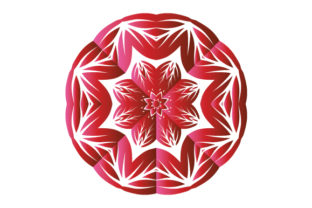
Exploring the Red Mandala: A Circular Pattern in Ethnic Oriental Style
The Symbolism and Design of the Red Mandala
The Red Mandala is more than just a decorative ornament; it represents centuries of cultural heritage, spiritual significance, and artistic expression. Originating from Eastern traditions, the mandala is a circular pattern that symbolizes unity, wholeness, and the interconnectedness of life. When rendered in red, this intricate design takes on additional layers of meaning, often associated with energy, passion, and protection in many Asian cultures.
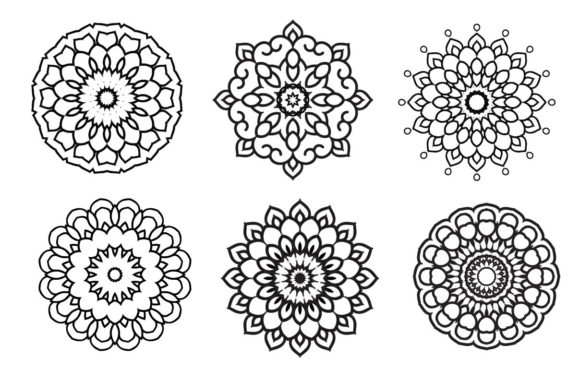
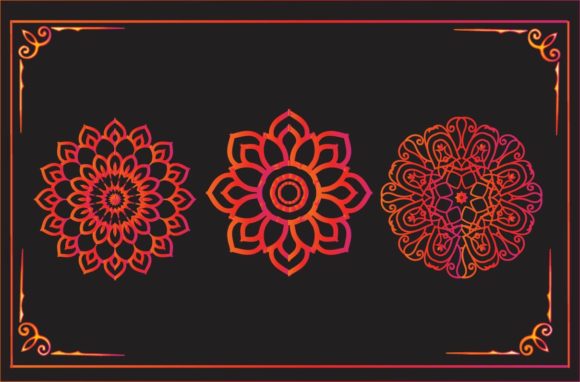
The Red Mandala typically features a central motif surrounded by symmetrical patterns, radiating outward in a balanced and harmonious way. This circular structure is not only visually appealing but also holds deep symbolic value, making it a popular choice for both traditional and contemporary applications.
Applications of the Red Mandala in Modern Contexts
The versatility of the Red Mandala makes it suitable for a wide range of uses. From interior design to digital media, its aesthetic appeal and cultural richness have found their way into various industries.
- Interior Design: The Red Mandala is frequently used as a wall art piece or as a decorative element in home interiors. Its vibrant color and intricate patterns can add an exotic touch to any room, especially when paired with neutral tones.
- Fashion and Textiles: In the fashion industry, mandalas are often incorporated into clothing designs, fabric prints, and accessories. The Red Mandala, with its bold presence, is particularly favored in ethnic wear and bohemian styles.
- Digital Media: As a downloadable file format, the Red Mandala comes in AI, EPS, JPG, SVG, and PNG formats, making it easy to use in graphic design, web development, and mobile app interfaces. These formats ensure high-quality visuals across different platforms.
- Cultural Events and Ceremonies: In many parts of Asia, mandalas are used in religious rituals and festivals. The Red Mandala is believed to bring good fortune and ward off negative energies, making it a common sight during such events.
Advantages of Using the Red Mandala
One of the key advantages of the Red Mandala is its ability to blend tradition with modernity. It serves as a bridge between ancient symbols and contemporary aesthetics, allowing users to incorporate meaningful art into their personal or professional spaces.
Another benefit is the availability of multiple file formats. Whether you need a scalable vector graphic (SVG) for website use or a high-resolution PNG for print, the Red Mandala provides flexibility. This adaptability ensures that the design can be used in various contexts without losing quality.
Additionally, the Red Mandala is a great tool for educators and researchers interested in studying traditional art forms. Its rich symbolism and historical background offer valuable insights into cultural practices and beliefs.
Considerations When Incorporating the Red Mandala
While the Red Mandala is a powerful design element, there are several considerations to keep in mind when using it.
- Cultural Sensitivity: Since the mandala has deep roots in spiritual traditions, it is important to approach its use with respect and understanding. Misrepresentation or commercialization without acknowledging its origins could be seen as disrespectful.
- Color Psychology: The color red carries strong emotional connotations. While it can evoke feelings of energy and passion, it may not be suitable for all settings. Consider the context in which the Red Mandala will be used.
- Design Integration: When incorporating the Red Mandala into a larger project, ensure that it complements the overall design rather than overwhelming it. Balance is key to maintaining visual harmony.
Real-World Examples of the Red Mandala in Action
In recent years, the Red Mandala has been featured in various real-world applications, showcasing its versatility and appeal.
For instance, a boutique in Kyoto, Japan, used the Red Mandala as part of its branding, incorporating the design into packaging, signage, and even clothing lines. This helped attract customers who appreciated the cultural significance of the motif.
Similarly, a digital artist created a series of illustrations featuring the Red Mandala in different styles, from minimalist to highly detailed. These illustrations were shared online and gained popularity among fans of traditional art and design.
In the realm of education, a university in India included the Red Mandala in a course on cultural studies. Students analyzed its symbolism, history, and use in various contexts, gaining a deeper appreciation for its role in society.
The Future of the Red Mandala in Design and Culture
As global interest in traditional art forms continues to grow, the Red Mandala is likely to remain a popular design element. Its unique combination of cultural depth and visual beauty makes it a compelling choice for designers, artists, and cultural enthusiasts alike.
With advancements in technology, we may see the Red Mandala being used in new and innovative ways, such as augmented reality experiences or interactive installations. These developments could further enhance its relevance in both digital and physical spaces.
Ultimately, the Red Mandala stands as a testament to the enduring power of symbolism and design. Whether used in a small personal space or on a large scale, it continues to inspire and captivate audiences around the world.